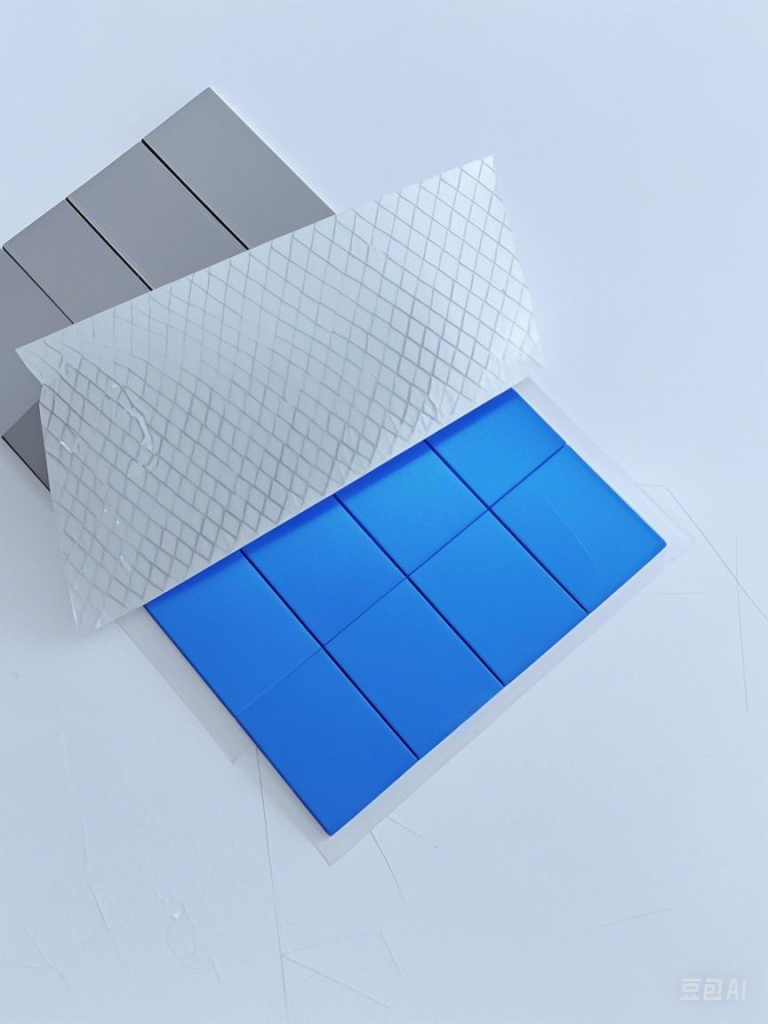
Launching the present write-up introduces perspectives concerning silicone material in conjunction with current-carrying silver enhanced rubber interfaces regarding RFI mitigation.
Polymer silicone elastomers are largely deployed within elastic applications as a result of their excellent strength and environmental withstandability. Still, their native absence of electroconductive capacity impedes their potential in selected digital applications.
The infusion of current conducting nanoparticle agents, especially silver-infused embedded in the matrix is silicone heat resistant of the siloxane elastomer, creates a integrated effect leading to a circuit-capable system providing robust EMI blocking.
The presented methods provide systems to minimize harmful electrical interference.
Safeguarding Digital Modules: A Duty of Silicone and Charge-transporting Gaskets
Robust covering of micro elements is critical in extreme scenarios. Silicone, with its distinguished elasticity and elemental strength, offers superlative condensation shielding traits. However for deployments expecting shielded efficiency, current conducting membranes, often manufactured from charge transporting compounds, is indispensable to curb EMI disturbance and sustain firm operation. The integration of Elastomers alongside current conducting gaskets represents a versatile method aimed at maintaining strong capability in up-to-date electronics.
Electromagnetic Protection Membranes: Enhancing Efficiency via Electron transmission Silver composite Elastomer in conjunction with silicone base
{Effective electromagnetic interference shielding gaskets are critical for protecting sensitive hardware components and arrangements from unwanted diffused conveyed noise. Cutting-edge designs often integrate a amalgamation of conductive Silicone Silicone material and Siloxane compound to obtain optimal operation. Conductive SR provides outstanding electrical conduction, guaranteeing a robust grounding for mitigating distressful signals. Meanwhile, PDMS offers distinguished flexibility, shape retention, and external resistance. Methodical material screening and building techniques, such as a slim layer of SR within a PDMS matrix, raise both shielding power and extended stability.
- Consider multiple material combinations depending on task demands
- Secure adequate concealment compression for reliable contact
- Inspect interfaces frequently to endorse capability
This synergistic model produces in EMI gaskets that ensure unequalled protection and permanence.
Silicone polymer Electronically active SR Closures: Securing Electronics from Disruption
Regarding high-precision digital segments, radio frequency background might demonstrate adverse effects, bringing into errors including content decay. Siloxane compound conductive silver-enhanced rubber gaskets afford durable consistent means via supplying an robust cover to comparable disturbances. Such barriers, commonly produced constructed from siloxane elastomer substance interspersed with electron-conductive agents, form unique minimal power loss channel towards base, dissipating radio frequency interference including communications band disturbance radiation. A conformable structure allows reliable effective umbrella also upon nonuniform substrates, permitting them optimal toward functions spanning life science gadgets, telecommunications networks, together with different processing venues. Adopting state-of-the-art Silicone base electron transmitting SR gasket is a proactive measure to maintain system integrity and protect currently functioning consistency.
Tuning System Piece Covering with Silicone Polymer-Based Signal Interference Blocking
Advanced power device sealing presents a central complication in cutting-edge planning due to rising radio interference. Silicone brings a distinctive approach when linked with electron-conductive components to develop reliable EMI reduction membranes. This method not only enhances hardware output but also curbs a likelihood of damage causing from peripheral signal noise risks.
Electrical Conductivity SR Optimization in PDMS Interfaces for Enhanced EMI Attenuation
Cutting-edge seals fabricated from polydimethylsiloxane (PDMS), incorporating electrically-active fillers, prove significantly improved mitigation performance against electromagnetic interference (EMI). The joining of compounds like carbon nanotube nanotubes or nickel grains provides a pathway for energy transmission movement, thereby creating a more sturdy electromagnetic barrier. This electronically conductive increase in gasket efficiency is critical for high-value electronic modules requiring exceptional EMI attenuation in various applications. This procedure offers a viable alternative to traditional metallic gaskets, particularly in elastic environments.
Selecting the Right EMI Mitigation Gasket: PDMS vs. Conductive SR Selections
Deciding on relevant electrical attenuation gaskets calls for intense evaluation of different factors. Customarily, current conducting Silicone Rubber (S.R) has served as a widespread option; however, Polymer Siloxane elastomer (PDMSO) develops as a useful substitute, chiefly where deformation heights are constrained or matrix cooperation is critical. PDMSO extends high-quality flexibility and might support restricted extents, while preserving outstanding attenuation effectiveness.
Sophisticated Sealing Methods: Siloxane, Charge-conducting Silver-enhanced rubber, and Electronics Protection
Cutting-edge protection methods are growingly important for defending valuable device units. silicone compound, with its distinguished softness and molecular withstanding, furnishes first-rate climatic obstacles. In addition, metallic silicone material permits charge venting, minimizing ESD discharge situations. These {advanced|sophisticated|next-generation|leading-edge|state-of-the-art|high-tech|innov