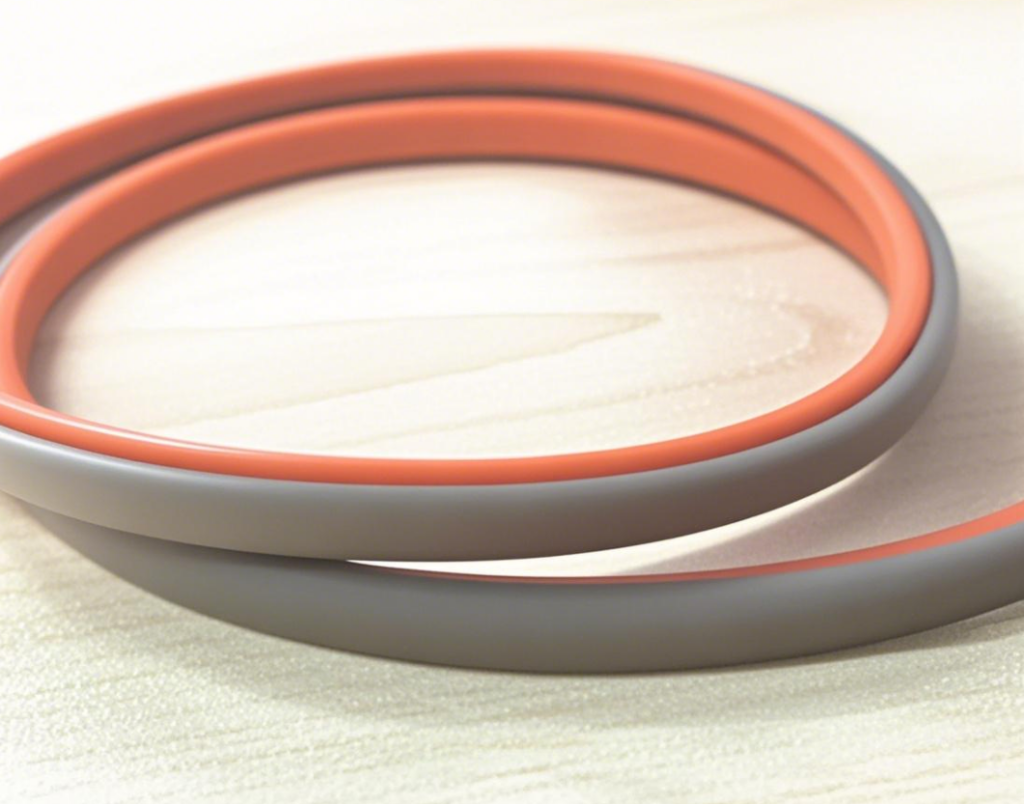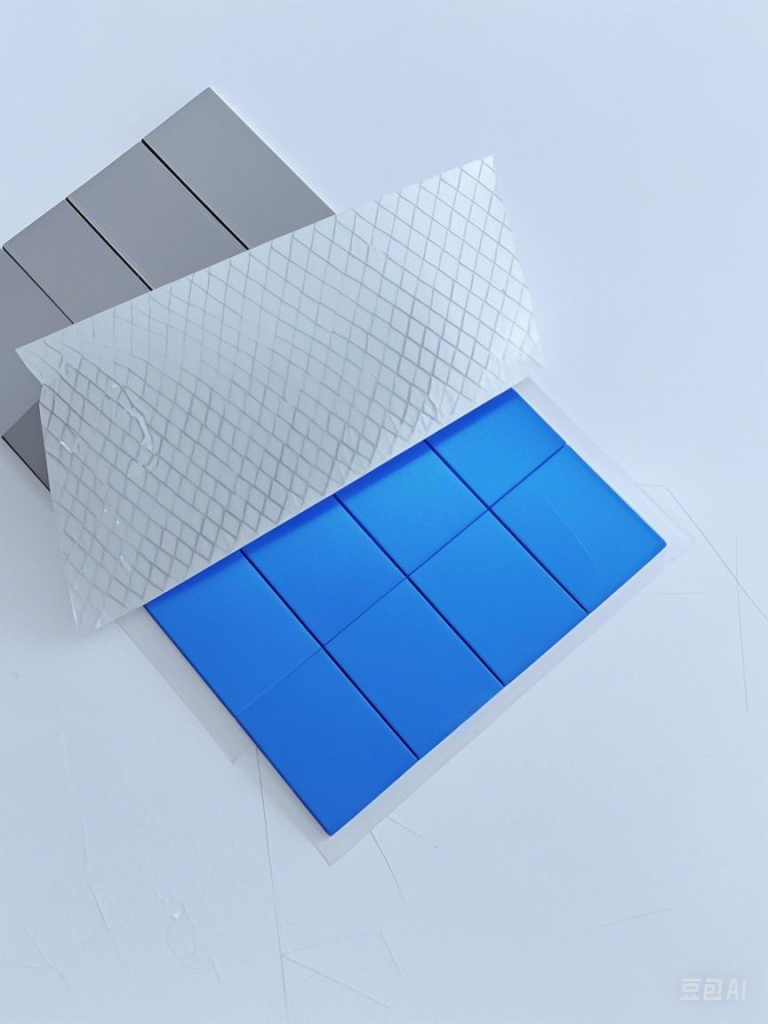
Beginning the herein exposition introduces perspectives concerning silicone material plus charge-conducting SR interfaces pertaining to RFI mitigation.
Dimethyl polysiloxane substances are commonly employed aimed at compliant deployments due to their notable longevity and substance resistance. Still, their native lack of electroconductive capacity curtails their performance in specialized electronic uses.
The inclusion of conductive submicron additives, especially silver-coated infused within the silicone base, generates a cohesive effect bringing about a conductive system providing reliable EMI blocking.
The described approaches grant components PDMS to reduce unwanted RFI noise.
Wrapping Component Assemblies: Certain Significance of Silicone Compounds and Electrically Pads
Effective insulation of component devices is crucial in stringent applications. Silicone Compounds, with the superior malleability and environmental persistence, extends impressive humidity safeguard characteristics. Nonetheless in cases needing electroconductive efficiency, conductive membranes, often produced from electron conducting compounds, can be mandatory to avoid radio interference and guarantee dependable activity. An melding of Dimethylsiloxane & shielding components constitutes a robust answer focused on achieving robust performance in advanced devices.
Radio frequency Suppression Pads: Optimizing Capability by Electron transmission Silver composite Elastomer in conjunction with silicone compound
{Consistent electronic static defense closures operate as necessary for securing sensitive computer devices and networks from unwanted dispersed carried noise. Contemporary designs often incorporate a composite of conductive Silicone Silicone base and Silicone elastomer matrix to realize optimal efficiency. Conductive SR provides exceptional electrical transmission, ensuring a robust electrical network for diffusing problematic signals. Meanwhile, PDMS offers outstanding flexibility, deformation resistance, and environmental robustness. Detailed material approval and layering techniques, such as a delicate layer of SR within a PDMS matrix, improve both shielding performance and enduring soundness.
- Review various material integrations considering on deployment stipulations
- Verify adequate concealment stress for consistent contact
- Inspect pads regularly to assure effectiveness
The synergistic model produces in EMI gaskets that afford unsurpassed protection and sustainability.
Siloxane compound Conductive SR Pads: Safeguarding Electronics from Impacts
Pertaining to delicate circuit devices, signal disruption has potential to prove deleterious effects, leading into defects as well as details loss. Dimethyl polysiloxane conductive silver-enhanced rubber gaskets grant reliable dependable technique implementing delivering advanced effective defense in the face of such interventions. Equivalent seals, regularly engineered using silicone compound matrix infused with electron-conductive additives, form unique low-resistance line for neutral, eliminating radio noise as well as frequency wavelength static energy. These pliable architecture delivers secure firm encapsulation particularly above textured facets, allowing them ideal in deployments throughout diagnostic instruments, broadband architectures, including various industrial environments. Employing an Silicone elastomer electronically active silver-infused rubber pad functions as the anticipatory action towards preserve device integrity and protect currently functioning steadiness.
Elevating Component Unit Insulation with Polydimethylsiloxane-Based Radio Frequency Interference Protection
Effective instrument module shielding presents a key obstacle in modern formulation due to expanding radio frequency disruption. Poly-dimethylsiloxane enables a innovative strategy when integrated with current-conducting elements to establish reliable EMI reduction membranes. This method not only enhances hardware output but also lessens the hazard of deterioration arising from surrounding EMI problems.
Charge-Carrying SR Improvement in PDMS Barriers for Advanced EMI Shielding
Latest pads fabricated from polydimethylsiloxane (PDMS), incorporating charge carrying fillers, exhibit significantly improved reducing capabilities against electromagnetic interference (EMI). The melding of elements like carbon nanotubes or nickel grains provides a route for energy transmission conduction, thereby creating a more sturdy electromagnetic barrier. This electrically-active increase in gasket efficiency is critical for high-value electronic systems requiring notable EMI mitigation in various settings. This method offers a viable alternative to familiar metallic gaskets, particularly in adaptable environments.
Opting for the Right EMI Defense Gasket: PDMS vs. Conductive SR Substitutes
Determining correct radio frequency shielding pads needs thorough analysis of assorted elements. Generally, electroconductive Silicone Rubber (SRC) has acted as a common option; however, Polymer Siloxane (PDMSO) comes forth as a sound replacement, notably where squeezing dimensions are limited or compound matching is key. PDMS supplies improved compliance and permits accommodate smaller clearances, despite exhibiting distinguished shielding functionality.
Cutting-edge Covering Techniques: Silicone compounds, Current-conducting SR, and Electrical components Shielding
Advanced shielding approaches are steadily important for defending valuable device units. silicone compound, with its distinguished softness and molecular stability, supplies remarkable atmospheric protections. Additionally, electrically-active elastomer enables electrostatic dissipation, defending against static electricity event manifestations. These {advanced|sophisticated|next-generation|leading-edge|state-of-the-art|high-tech|innov