Across the expanse of historic epochs,
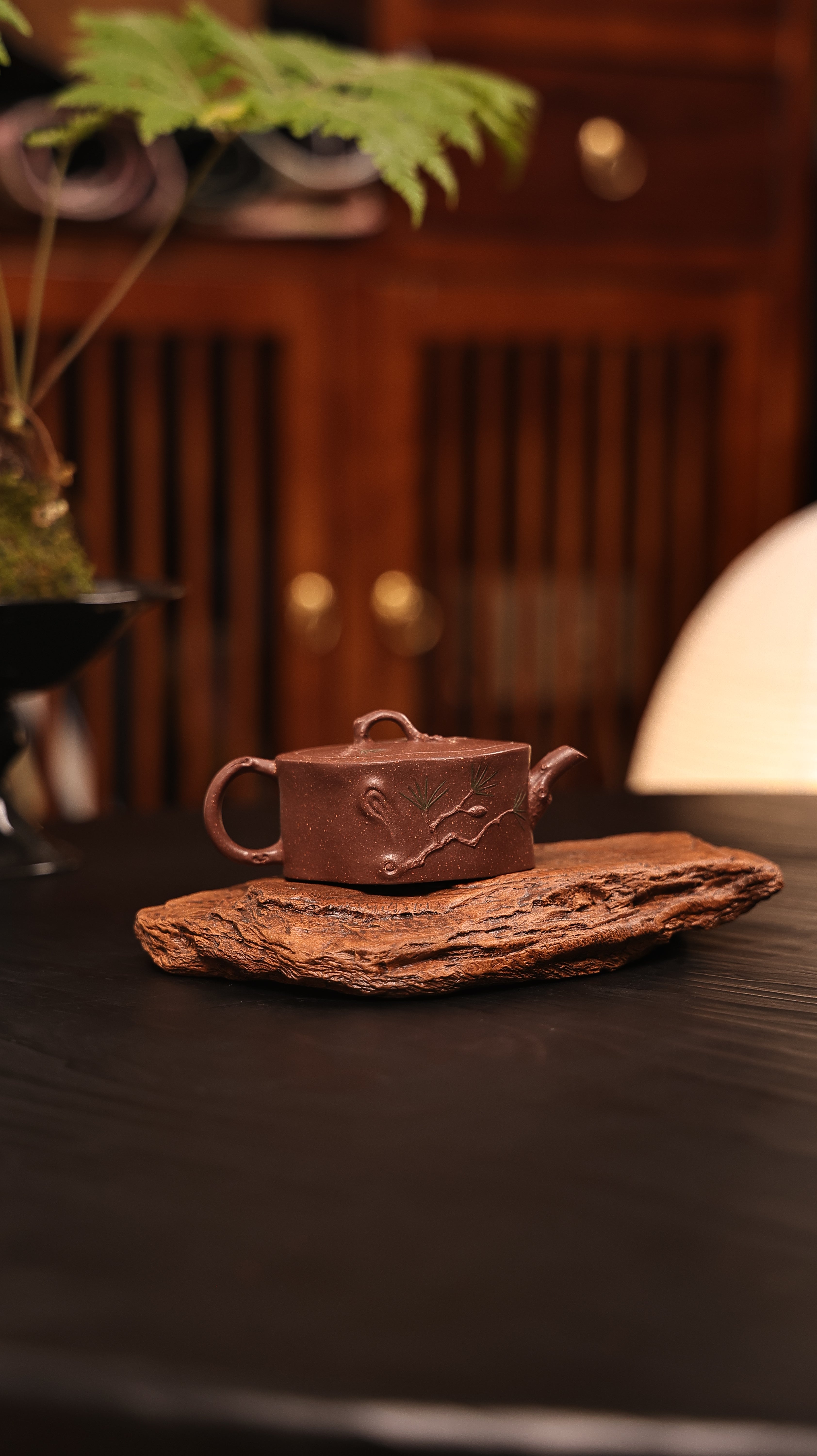
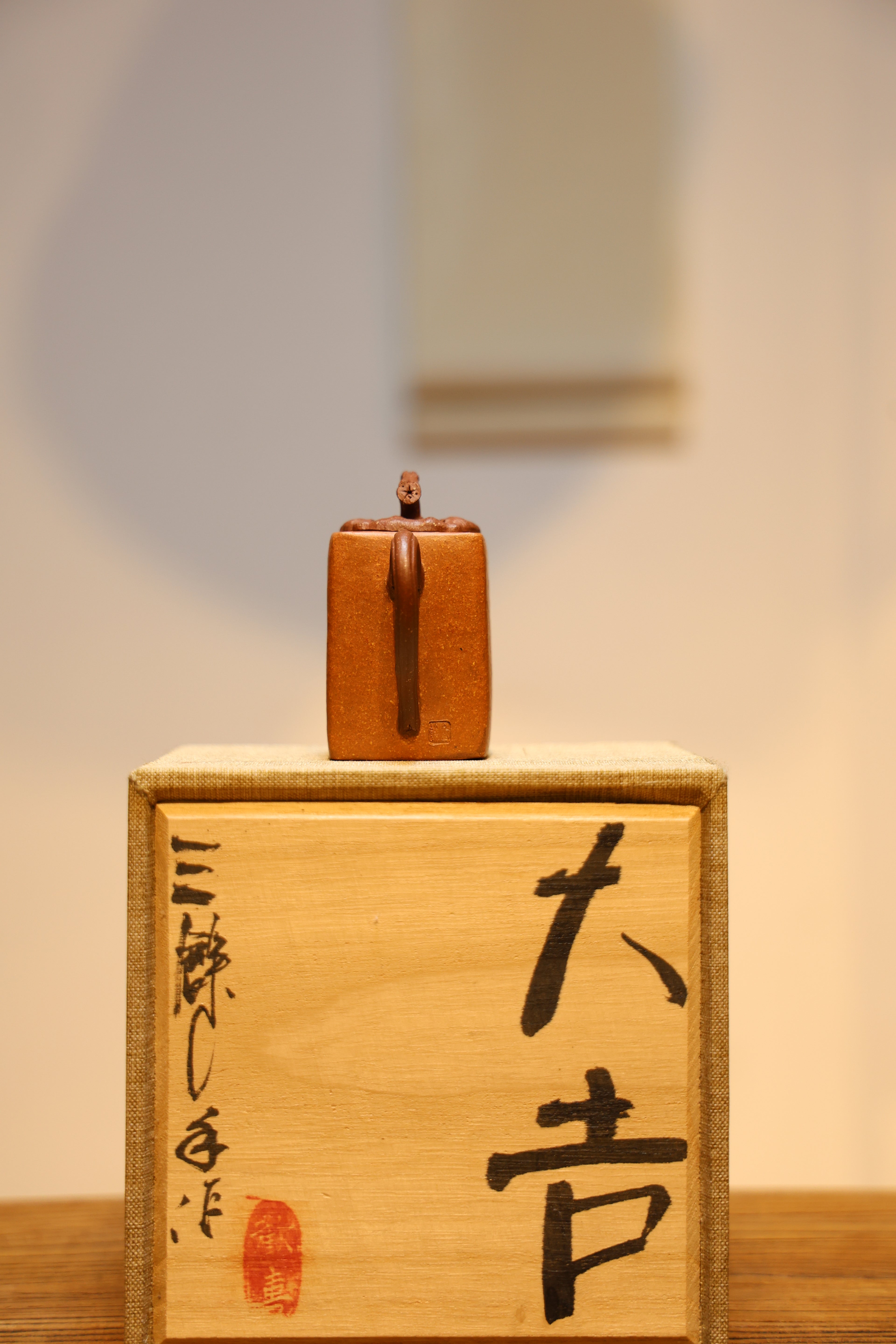
Amidst eras, admirers have been mesmerized by the singular charm of Yixing Zisha urns. Originating from the zone of Yixing in the Jiangsu Province, these wares are renowned for their notable beauty, limited clay, and natural ability to raise the bouquet of the steeping. The clay's distinctive purple-brown hue, combined with the artistic craftsmanship of local makers, creates items that are as functional productions and costly valuables. Obtaining a Zisha teapot is more than just such a purchase; it's inviting a rich ancestral heritage.
Investigating Yixing Teapots: Background, Varieties, and Value
This Yixing teapots are a notable chronicle deeply intertwined with Chinese culture. Rooted in the Yixing region of Jiangsu province, these clay vessels contain a heritage going back to the Ming Dynasty. Original examples were functional, but throughout centuries, Yixing teapot manufacturing evolved into an esteemed art form. The clay itself, known for its unique vitality and ability to raise the flavor of the tea, endures a defining factor. Yixing teapots appear in various styles, Yixing Zisha Teapot broadly categorized by shape: Historic such as Zhuni (purple clay) and Bisheng, as well as refined designs. The merit of a Yixing teapot varies on several factors, including the potter’s fame, the age of the piece, the rarity of the clay, and its aesthetic charm.- Chronology: Founding era
- Material: Zhuni (purple clay)
- Estimation Aspects: Uniqueness
Zisha Claycraft: Skills and Crafters
This development of a true Zisha teapot is a demanding process, requiring decades of expertise. Veteran artisans meticulously pick the finest Zisha clay, a exclusive earth found only in specific regions of China. Customary techniques, often bequeathed through families, involve accurate shaping, nuanced carving, and deliberate firing in ancient ovens. The culminating teapot isn't merely a receptacle; it's a testament to design vision and the intense connection between the potter and their ancestry. Each item showcases the distinctive touch of the maker, resulting in a truly matchless work of masterpiece.
A Craftsmanship: Uncovering the Comprehensive Customs of Yixing Domain
Renowned Yixing, set in Jiangsu the region, is broadly renowned for its exceptional clay pots – a tangible representation of centuries of Chinese craftsmanship. These aren't merely vessels for brewing tea; they are intricate works of mastery, often reflecting traditional ideals. Yixing's unique purple clay, known as Zisha, possesses unique qualities: the matter dense, permeable, and imparts a subtle nuance to the tea.
- Several households have honed the techniques of Yixing teapot making, passing down hereditary methods through successions.
- Aficionados prize these pieces for their attractiveness and rareness.
- A number of piece tells a tale, connecting the imbiber to a rich past.
Acquiring Yixing Zisha: Crucial Elements
At the time of studying acquiring Yixing Zisha containers, several distinct factors warrant careful inspection. Initially, the element's pigment is paramount; authentic Zisha typically exhibits a distinct reddish cast. Additionally, assess the handiwork; well-defined characteristics and a silky texture imply expert production. Eventually, analyze the artist’s reputation; celebrated names bring increased premiums and often provide a stable return.
How to Brew Premium Tea with Zisha Clay
Creating sumptuous tea with a Zisha jar is more than a simple process; it's an technique. Zisha clay, known for its unique structural composition, imparts a light character to the processed tea that’s often not found with other vessels. The correct water heat is essential; typically, lower than what's used for black tea, to keep the tea's scent and taste. Consider carefully the tea breed; delicate green teas or aged pu-erhs benefit from the Zisha’s ability to reduce their primitive edge. It’s essential to cleanse the teapot prior to brewing, and to neglect over-steeping. Mastering this craft leads to a sincerely exceptional tea enjoyment.
- Comprehending Zisha Clay
- Water Temperature & Tea Classification
- Benefit of Warming
Looking After Your Renowned Clay Pot
Intending to maintain the existence of your treasured Yixing container, regular protection is fundamentally essential. Shun using soapsuds; instead, gently bathe it with tepid liquid. Escape significant transitions; don't rest the kettle directly onto a glowing platform. Periodically, develop the pot by brewing it with top-notch refined tea, as this facilitates to enhance its nature and safeguards the unique merits of the earth.
Concerning Substance to Vessel: The Course of a Zisha Container
A creation of a Zisha teapot is a intriguing system, a representation to both the world's bounty and the artistry of the fabricator. It starts with the diligent extraction of the rare clay from the violet Zisha mines in proximity to Yixing. This prime material, known for its superior properties, is then measuredly purified and arranged for the initial forming. The container's profile is carefully built using a concoction of time-honored molding strategies, often incorporating intricate embellishments. Following ripening, the jug undergoes a vital first firing, joined by a polishing stage, which might involve a series of layers of authentic Zisha solutions. Finally, a second, and sometimes third, firing at elevated temperatures solidifies the manufacture, revealing its final beauty and wonderful characteristics - a authentic masterpiece, set to beautify a tea practice.
{Yixing Teapots: A Reflection of a Customary Practice and Appreciation
This Yixing teapots, originating from the celebrated Yixing region of Jiangsu province, are far more than mere pots for brewing brews; they represent a important aspect of Chinese traditions. Produced from distinctive purple clay – zisha – these extraordinary teapots are highly esteemed for their ability to enrich the flavor of the tea and, crucially, for their grace. The background of Yixing teapot making spans centuries, and the mastery involved is handed down through generations, making each teapot a fine creation that embodies historical techniques and a profound appreciation for the basic pleasures in life.