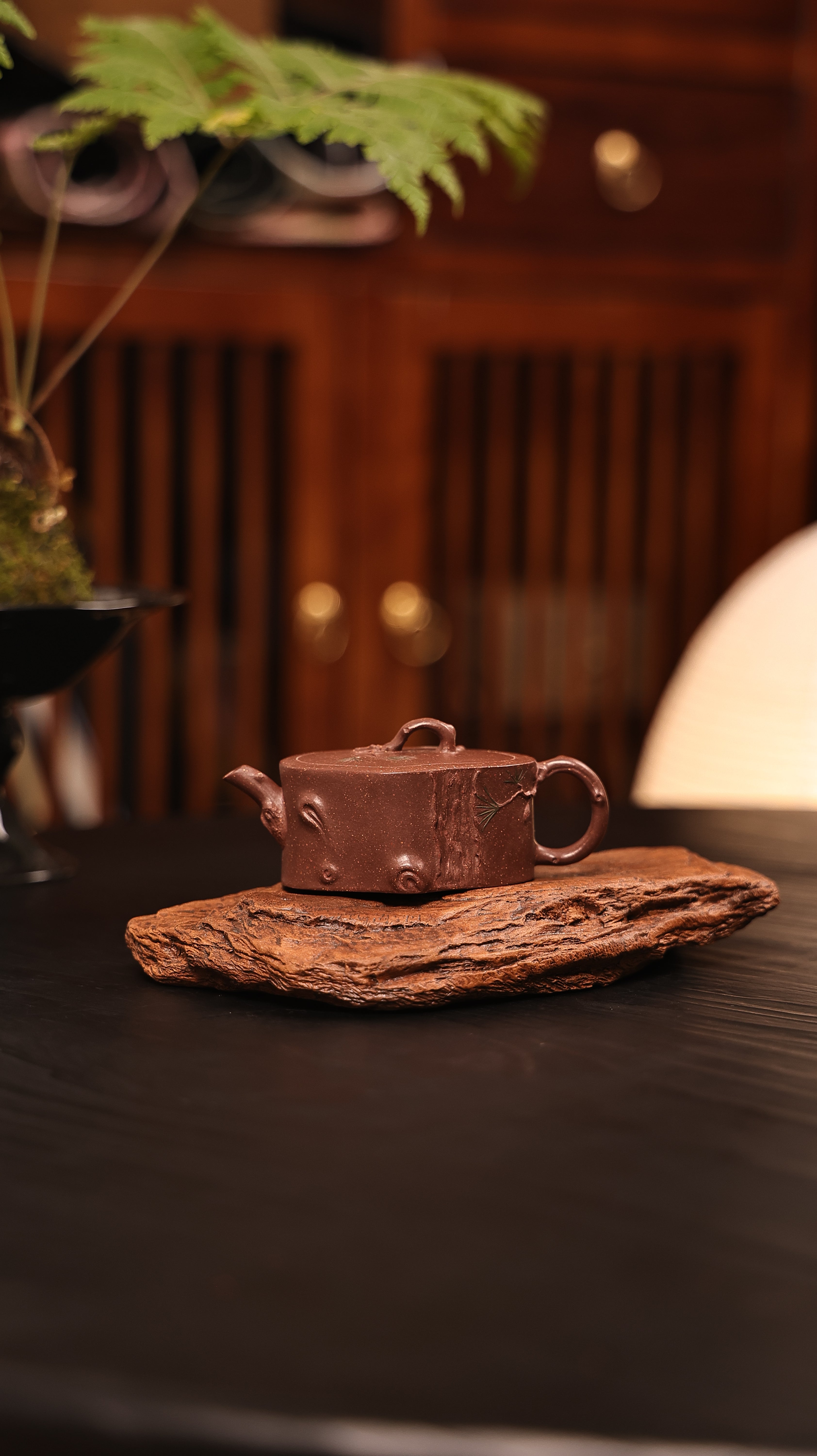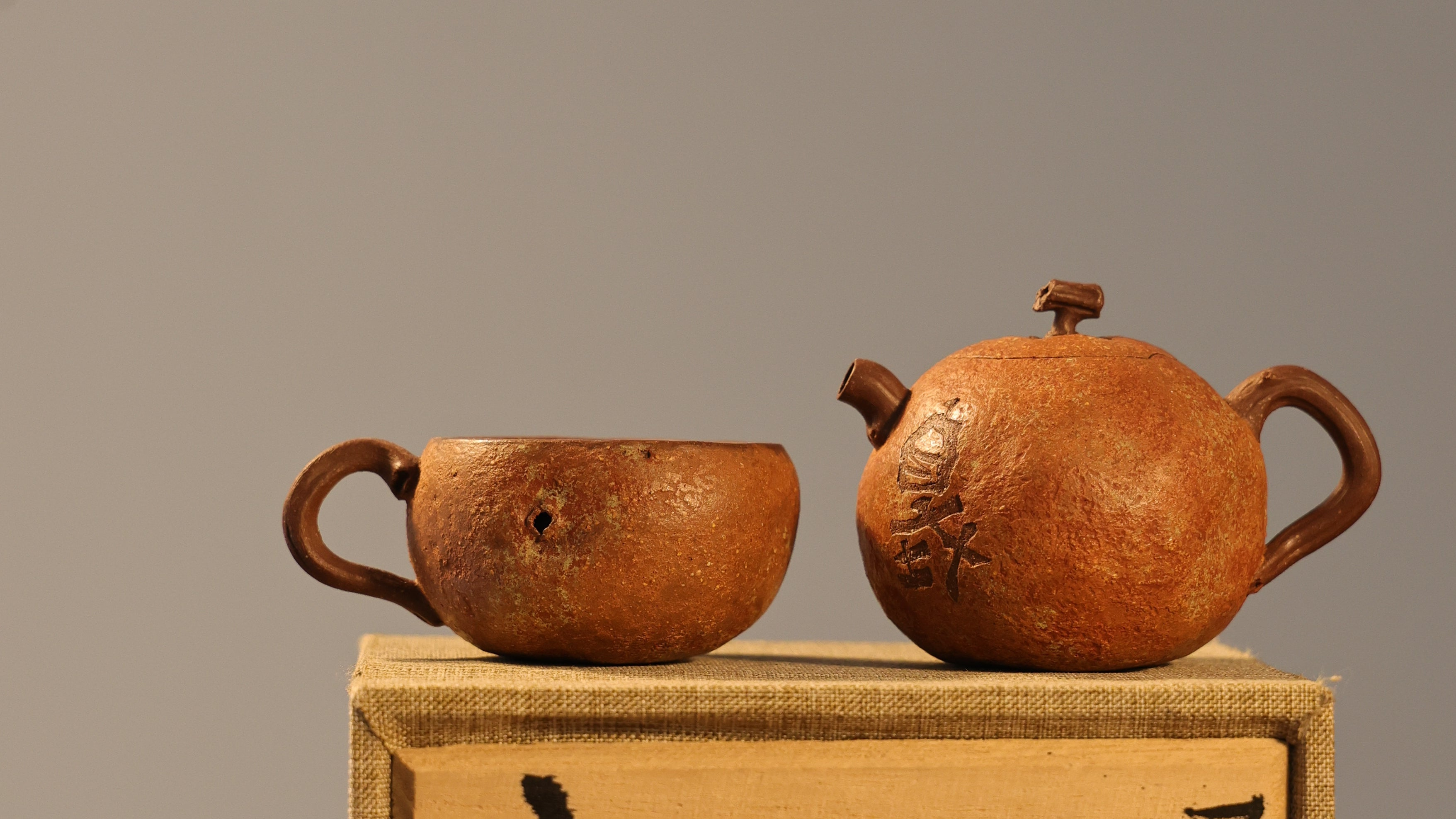
Within the sphere of enduring traditions,
Within generations, heritage seekers have been enchanted by the one-of-a-kind charm of Yixing Zisha pitchers. Originating from the region of Yixing in the mainland, these pots are renowned for their outstanding beauty, infrequent clay, and essential ability to elevate the bouquet of tea. The soil's distinctive reddish-purple hue, combined with the expert construction of indigenous sculptors, creates creations that are concurrently functional objects and treasured endowments. Obtaining a Zisha teapot is more than just such a purchase; it's embracing a rich cultural heritage.
Understanding Yixing Teapots: History, Models, and Esteem
Yixing teapots are a notable background deeply intertwined with Chinese culture. Starting in the Yixing region of Jiangsu province, these clay vessels exhibit a heritage connecting back to the Ming Dynasty. Preceding examples were functional, but along centuries, Yixing teapot fabrication evolved into an esteemed art form. The clay itself, known for its unique structure and ability to influence the flavor of the tea, stays a defining factor. Yixing teapots come in various versions, broadly categorized by shape: Typical such as Zhuni (purple clay) and Bisheng, as well as exclusive designs. The merit of a Yixing teapot relies on Yixing Teapot several factors, including the potter’s fame, the age of the piece, the rarity of the clay, and its aesthetic appeal.- Account: Old ages
- Soil: Various types
- Pricing Criteria: Rarity
Zisha Pot Excellence: Craft and Creators
This development of a true Zisha teapot is a demanding process, requiring decades of competency. Expert artisans meticulously choose the prime Zisha clay, a uncommon earth found only in specific regions of China. Heritage-based techniques, often inherited through families, involve detailed shaping, subtle carving, and steady firing in ancient calcining chambers. The final teapot isn't merely a receptacle; it's a testament to inventive vision and the substantial connection between the artist and their roots. Each product showcases the specific touch of the specialist, resulting in a truly one-of-a-kind work of pottery.
Traditional Earthenware: Delving into the Profound Inheritances of Yixing
This Yixing, nestled in Jiangsu the region, is internationally renowned for its exceptional vessels – a tangible representation of centuries of Chinese culture. These aren't merely vessels for preparing tea; they are intricate works of artistry, often reflecting conceptual ideals. Such unique purple clay, known as Zisha, possesses notable qualities: the compound dense, permeable, and imparts a subtle taste to the tea.
- Plentiful bloodlines have honed the techniques of Yixing jar making, passing down ancient methods through generations.
- Fans prize these pieces for their loveliness and scarcity.
- Particular object tells a tale, connecting the recipient to a rich heritage.
Committing to Yixing Zisha: Guiding Points
During exploring procuring Yixing Zisha containers, several factors call for careful attention. In the first place, the soil's color is vital; authentic Zisha typically exhibits a particular reddish-brown cast. Furthermore, scrutinize the production; well-defined attributes and a refined covering suggest skillful creation. In conclusion, examine the artisan's profile; distinguished names draw boosted amounts and often supply a reliable reward.
Zisha Teapot Tea Brewing Mastery
Producing appetizing tea with a Zisha pitcher is more over a simple practice; it's an specialty. Zisha clay, distinguished for its unique natural composition, imparts a refined character to the prepared tea that’s often absent with other containers. The right water thermal condition is fundamental; typically, reduced than what's used for black tea, to save the tea's perfume and palate. Consider thoroughly the tea type; delicate green teas or aged pu-erhs improve from the Zisha’s ability to calm their original edge. It’s necessary to rinse the teapot earlier than brewing, and to exclude over-steeping. Mastering this skill leads to a authentically exceptional tea enjoyment.
- Recognizing Zisha Clay
- Temperature Control & Tea Sort
- Role of Pre-treatment
Safeguarding Your This Teapot
In an effort to maintain the lifespan of your treasured Yixing container, careful protection is essentially necessary. Forgo using chemical cleaners; instead, delicately bathe it with tepid liquid. Dodge significant swings; please don't place the container directly onto a heated foundation. Periodically, mature the urn by immersing it with choice aged tea, as this supports to develop its essence and protects the singular qualities of the medium.
From Earth to Cup: The Course of a Classic Container
A creation of a Zisha teapot is a intriguing system, a demonstration to both the planet's bounty and the skill of the creator. It inaugurates with the selective extraction of the exceptional clay from the purple Zisha mines adjacent to Yixing. This pristine material, known for its outstanding traits, is then methodically purified and molded for the foundational forming. The pot's contour is artfully crafted using a blend of historical forming approaches, often incorporating elaborate decorations. Following seasoning, the pot undergoes a crucial first firing, joined by a polishing stage, which might involve multiple layers of traditional Zisha layers. Finally, a second, and sometimes third, firing at robust temperatures renders the composition, revealing its ultimate beauty and splendid characteristics - a real masterpiece, equipped to embellish a tea session.
{Yixing Teapots: A Symbol of Chinese Heritage and Esteem
Esteemed Yixing teapots, originating from the prestigious Yixing region of Jiangsu province, are far more than mere earthenware for brewing potions; they represent a substantial aspect of Chinese identity. Manufactured from distinctive purple clay – zisha – these unique teapots are highly prized for their ability to enhance the flavor of the tea and, crucially, for their aesthetic appeal. The legacy of Yixing teapot making spans centuries, and the craft involved is inherited through generations, making each teapot a beautiful object that embodies classical techniques and a profound appreciation for the refined pleasures in life.