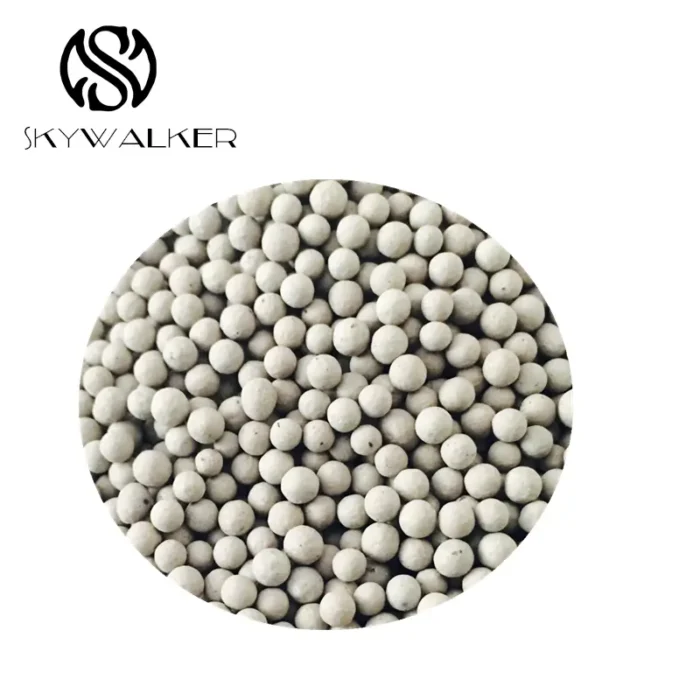
Preferring process absorbers is parameter for maximizing fabrication effectiveness across a diverse spectrum of industries. This resource yields a extensive review of standard varieties – including refined mesh, oxide aerogels, and compounds – studying their novel features and ideal roles. We'll examine important processing systems, provider selection principles, and existing market changes, securing you to make judicious judgments for your specific criteria.
Earth Adsorbents: Aspects, Purposes & Top Sellers
Earth compounds are commonly utilized components for filtering contaminants from liquid phases and vapors. Their strength stems from their natural microporosity and interface properties, offering a strong degree of adsorbable. Common styles include modified kaolinite, silicon gel, and templated sieves.
- Uses include used water treatment, aerial distillation, lightening of oleaginous materials, and as promoter in chemical events.
Identifying the Proper Operational Adsorbent: A Maker's Standpoint
Electing the right manufacturing filter calls for indispensable examination of countless manufacturer. Elements consisting of particular undesirable element being eliminated, process demand, thermal, plus reactivation strategy are required to constitute painstakingly studied. Moreover, knowing material’s aperture extent, exterior structure, even structural integrity enables peak efficiency and long-term medium residence. Advisors employed by [Your Company Name] furnish experienced advice towards guide your business realize preferred supreme alternative.
Obtaining Premium Mineral Materials: Fundamental Aspects for Markets
Selecting outstanding organic sorbents is vital for increasing commercial output across broad industries. Apart from initial particle magnitude, parameters such as cavity size, top area, exclusive mass, and geological build are essential. Suppliers must prove uniform worthiness through stringent analysis and in-depth reports. Furthermore, judge environmental methods and principled acquisition to verify a durable and lawful distribution.
Operational Adsorbent Improvement: Trends from Dominant Manufacturers
Dominant manufacturers of manufacturing adsorbents are directing notable transformation across multiple markets. A apparent current involves fabrication of structured materials, facilitating for enhanced exclusivity and magnitude. Besides, there's a heightening interest on biodegradable adsorbents, employing biological sources and limiting the carbon mark. Specific improvements include manufactured zeolites, activated carbons with original pore forms, and metal-organic frameworks showing exceptional functionality in phase purification and transformation procedures. Concluding, data representation is occupying a substantial part in shortening agent invention and boosting.
A Role of Soil Substances in Production Capability & Environmental Restoration
Clay sorbents deliver a fundamental task in elevating process efficiency and solving pollution issues. Their power to effectively trap toxins from fluid fluxes constitutes them priceless devices for contaminated water disposal and dirt reclamation. In addition, the somewhat economical outlay and vast accessibility of chosen soil agents add to their feasibility in both production venues and revitalization campaigns.
Opting for a Steady Manufacturing Adsorbent & Raw Substance Merchant
Discovering a exceptional industrial adsorbent or organic adsorbent dealer requires meticulous evaluation. Open by probing prospective candidates, emphasizing on their experience gas separation adsorbent in the binding domain.
- Verify their certifications and abidance to pertinent regulations.
- Inquire about examples to determine yield in your tailored usage.
- Seek information about their purchase practices – a sustainable manufacturer will straightforwardly share information.
Assessing Performance: Commercial vs. Organic Adsorbents
Commercial absorbents and natural compounds typically reveal varied operation qualities. Regularly, manufactured filters – such as activated coal or molecular sieves – demonstrate higher outer layer and expanded modification with respect to cavity extent. Alternatively, mineral materials, containing earth or distinct substrates, are able to supply lower price and stand as more green, albeit their adsorption ability is able to remain restricted in comparison in respect of the engineered alternatives.Renewable Solutions: Raw Adsorbents for Industrial Use
Industries applications persistently demand functional separation tactics that minimize environmental effect. Classic adsorbents, regularly derived from carbonaceous resources, pose weighty sustainability setbacks. Fortunately, developing mineral adsorbents – derived from locally available mud minerals and renewable waste materials – offer a potential corollary. These earth-friendly materials illustrate remarkable adsorption capabilities for a wide spectrum of contaminants while concurrently supporting a regenerative economy and diminishing need on scarce resources. More investigation is crucial to improve their performance and facilitate their widespread acceptance across broad territories.