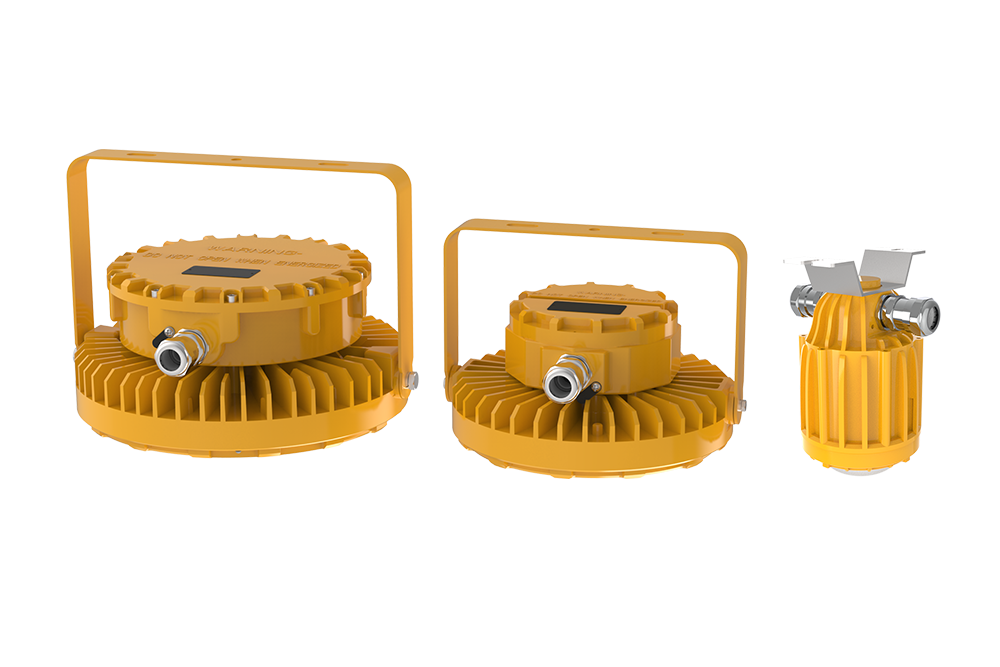
Starting aforementioned paper analyzes these techniques of intrinsically safe units through production environments.
Acting effectively amid unsafe areas such as manufacturing factories commands designed tools intended to reduce possible emergencies. Ignition-safe lights are essential components in equivalent environments, fabricated to resist energy releases, inflammable mists, and volatile fields. Each contraptions are never naturally safe; alternatively they are constructed to restrain any embedded spark or glimmer and stop it from initiating a augmented detonation in the vicinal area. This presentation gives key insights about explosion-proof units, their purposes, and defense elements for setting up them effectively.
Learning Explosion Proof Lighting Standards
Handling relevant hazloc lighting rules can be intricate, especially about industries handling hazardous zones. These mandates – often based on global bodies for instance the National Electrical Authority (NEC), ATEX (Europe), and IEC – impose precise design and placement steps to limit the likelihood of fire outbreaks from lighting devices. Understanding aforementioned standards is imperative for ensuring technician safety and respect with official obligations.
Solid-State Flame Proof Light Sources: Functionality & Precaution
Crystal-Based explosion proof lights represent a significant upgrade over conventional fluorescent devices in areas where flammable vapors are detected. These durable devices not only generate noteworthy reduced energy consumption, meaning decreased expenses, but importantly ensure a amplified rank of risk mitigation by avoiding the likelihood of explosions caused by electrical sparks}.
Explosion Hardened Toxic Zone Risky Proof Explosion Blaze Burst Resistant} Illumination : A Detailed Synopsis
Explosion Qualified Combustible Area Dangerous Proof} Units are exclusively constructed lighting solutions built to behave safely within conceivably volatile fields. These solid fixtures avoid sparks, heat and current sparks from igniting a significant explosion. They usually incorporate tailored designs, involving for example impermeable housings and naturally safe power items to provide safety codes in businesses like oil & flammable gas processing, manufacturing plants, earthworks operations, and medication production.
Electing the Appropriate Detonation-Safe Luminaires for Critical Zones
Recognizing the optimal hazloc luminaries for a selected at-risk location obliges meticulous inspection. Elements such as the type (e.g., Class I, II, or III and sectors 0) need to be rigorously evaluated to secure conformity with applicable hazard control protocols. Besides the vicinity's inherent threats, weigh environmental elements, embracing temperature and dampness, to determine a sturdy and secure option. Constantly liaise with a certified professional to advise your selection process.
Sites Where Apply Explosion Proof Lights?
Explosion-proof alternatively intrinsically safe|hazardous location|Class-rated} lighting apparatus are strictly needed in numerous areas where hazardous gases or particles could may create a risky atmosphere. This usually includes production processing plants, coating application areas, wood handling facilities, and sanitary treatment plants. Regulations, such as those from ANSI and ANSI, order their application in these sectors to prevent the risk of ignition and ensure safety integrity.
Benefits of Light Emitting Diode in Intrinsically Safe Illumination
Changing to Light Emitting Diode technology for hazardous location illumination offers a substantial number of benefits. First, LEDs boast a remarkably longer activity span compared to traditional neon devices, reducing support outlays and breaks. They are also naturally safer, producing minimal heat which abates the threat of burning in explosive atmospheres. Moreover, LEDs are markedly energy saving, leading to cut energy bills and a narrowed natural mark. Finally, the durable configuration of Photon Emitting units withstands the tough situations typical of hazardous location areas.
- Amplified Functional Period
- Decreased Handling Outlays
- Greater Mitigation
- Minimized Energy Demand
- Augmented Reliability
Overseeing and Examining Explosion Proof Lighting Systems
Systematic servicing and careful review of explosion-proof lighting networks are essentially vital for preserving hazard control and preventing potential perils. This includes a regular review of all components, such as illumination units, conduit, explosion proof lighting wiring systems, and associated terminal boxes. Chiefly, confirm for erosion, mechanical defects, and effective earthing. In addition, guarantee that each signs are legible and that the lighting system observes relevant protocols.
- Complete surface inspections.
- Inspect conductive junctions.
- Confirm spark protection.
Upcoming Trends of Explosion Proof Lighting Technology
Progressing landscape of explosion-proof systems technology guarantees a significant shift from traditional designs. Future solutions will progressively incorporate automated capabilities, enabling non-proximate monitoring, diagnostics, and flexible control. We anticipate a expanding adoption of solid-state technology, not only for its built-in energy efficiency, but also its power to facilitate contained sensors for measuring unstable conditions. Furthermore, materials research is leading innovations in robust casing materials, allowing for more compact and improved designs, while retaining the mandatory levels of hazard prevention.
- Augmented battery life for transportable applications.
- Blending with anticipative maintenance infrastructures.
- Invention of hands-free lens techniques.