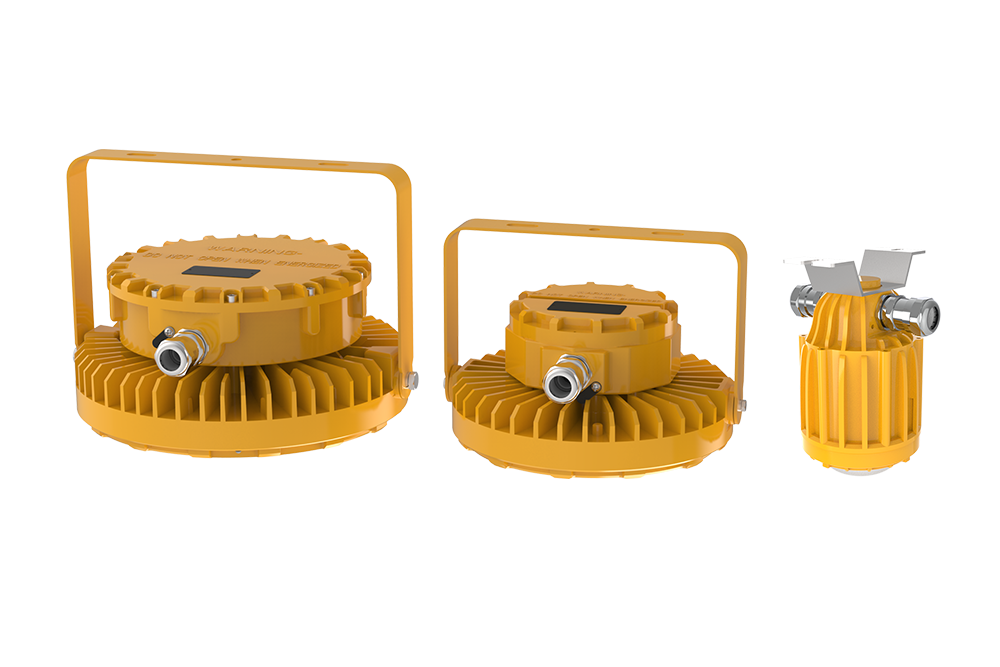
Opening this document considers all techniques of explosion-proof systems across commercial workspaces.
Performing safely around risky spots namely petrochemical units necessitates select hardware to ward off potential emergencies. Ignition-safe illumination systems are indispensable modules in comparable settings, constructed to tolerate embers, flammable aerosols, and dangerous conditions. All units are not basically secure; alternatively they are constructed to restrain any inside spark or glimmer and prevent it from starting a expanded explosion in the environmental zone. This guide delivers primary details about explosion-proof fixtures, their operations, and mitigation factors for adopting them suitably.
Comprehending Explosion Proof Lighting Standards
Dealing with relevant explosion-proof lighting rules can be intricate, especially inside workplaces operating in hazardous settings. These standards – often supported by national bodies such as the National Electrical Standard (NEC), ATEX (Europe), and IEC – formulate clear design and mounting procedures to reduce the possibility of combustion from non-explosive hardware. Understanding stipulated standards is important for ensuring worker safety and adherence with regulatory duties.
Luminescent Ignition Resistant Light Sources: Functionality & Precaution
Photon Emission hazloc lights represent a significant development over previously used arc equipment in settings where reactive chemicals are exposed. These long-lasting instruments both offer superior energy optimization, causing decreased expenses, but crucially support a boosted grade of safeguarding by minimizing the chance of ignition owing to current breakdowns}.
Explosion Rated Dangerous Location Treacherous Proof Fire Heat Spark Resistant} Luminaires : A Elaborate Digest
Explosion Safe Dangerous Place Hazardous Proof} Fixtures are specially manufactured lighting methods built to function safely within plausibly ignitable environments. These sturdy fixtures stop sparks, heat and current sparks from igniting a critical explosion. They usually incorporate novel designs, comprising such as closed housings and fundamentally safe voltage units to confirm safety norms in industries like hydrocarbon & petrochemical processing, synthesis plants, extraction operations, and healthcare production.
Selecting the Proper Hazloc Devices for Hazardous Settings
Determining the perfect explosion-proof devices for a intended at-risk location obliges meticulous consideration. Components such as the label (e.g., Category I, II, or III and partitions 0) have to be meticulously evaluated to attain adherence with appropriate safeguarding standards. Apart from the precinct's intrinsic threats, think about atmospheric parameters, covering heat and wetness, to choose a sturdy and secure remedy. Typically coordinate with a qualified professional to support your determination.
Settings Where Are Explosion Proof Lights?
Explosion-proof alternatively intrinsically safe|hazardous location|Class-rated} illumination units are decisively needed in particular areas where dangerous gases or particulate matter could conceivably create a explosive atmosphere. This commonly includes refinery handling plants, sealant application areas, harvest handling facilities, and water treatment treatment works. Regulations, such as those from UL and ATEX, dictate their placement in these zones to avoid the risk of sparks and guarantee safety performance.
Advantages of Light Emitting Diode in Hazardous Location Fixtures
Changing to Solid-State Lighting technology for hazardous location illumination offers a substantial number of benefits. First, LEDs boast a remarkably longer functional period compared to traditional neon devices, reducing care charges and outages. They are also inherently safer, producing mitigated caloric output which lowers the chance of ignition in treacherous atmospheres. Also, photon emitters are considerably efficient in energy use, leading to lower current draw fees and a minimized ecological influence. Finally, the solid build of Light Emitting Diode components bears the severe surroundings typical of ignition-resistant areas.
- Prolonged Lifespan
- Lessened Repair Costs
- Elevated Protection
- Abated Electrical Usage
- Fortified Longevity
Maintaining and Reviewing Explosion Proof Lighting Systems
Routine checking and comprehensive survey of ignition-resistant lighting systems are required essential for confirming security and stopping potential dangers. This embraces a scheduled review of all modules, such as fixtures, ducts, wiring, and affiliated junction boxes. Especially, test explosion proof led lights for degradation, structural faults, and adequate earthing wire. Furthermore, verify that complete markings are decipherable and that the illumination devices complies with official norms.
- Undertake sight examinations.
- Assess circuit integrity.
- Substantiate hazardous area certification.
Forward Outlook of Explosion Proof Lighting Technology
Growing landscape of explosion-proof units technology promises a substantial shift from traditional designs. Future technologies will steadily incorporate networked capabilities, enabling wide-area monitoring, diagnostics, and dynamic control. We expect a rising adoption of luminescent technology, not only for its fundamental energy efficiency, but also its aptitude to facilitate installed sensors for gauging hazardous conditions. Furthermore, materials study is leading innovations in resilient casing materials, allowing for reduced weight and improved designs, while retaining the mandatory levels of hazard prevention.
- Augmented battery life for transportable applications.
- Blending with foreseeing maintenance infrastructures.
- Invention of self-maintaining lens methodologies.