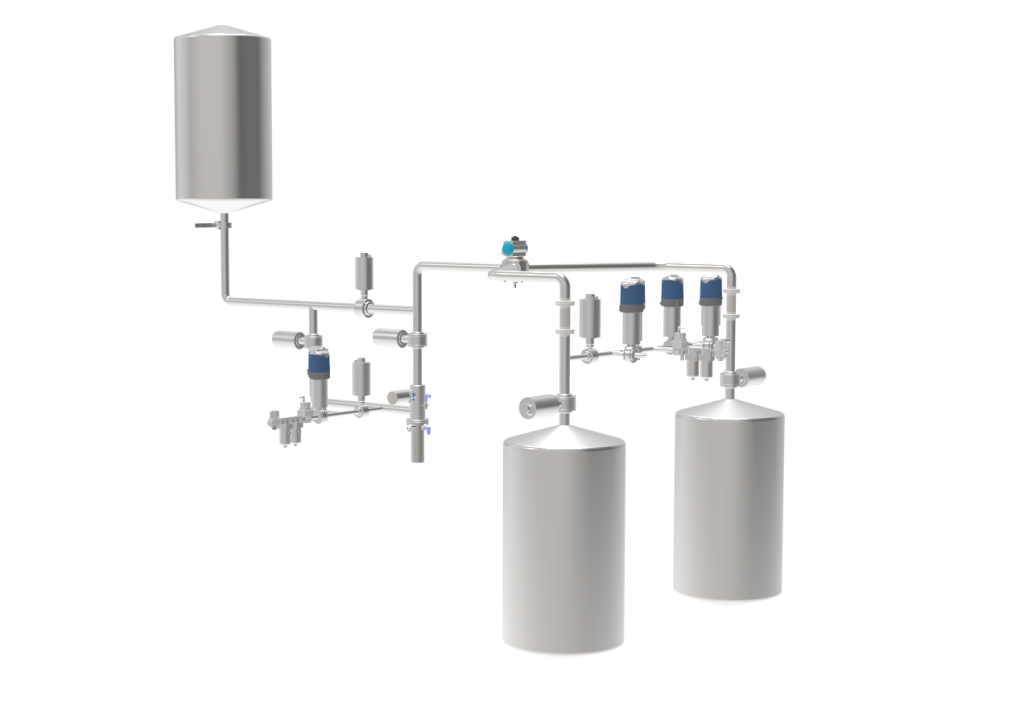
Boosting data output depends on accurate tuning of Pig momentum.
Definite Channel Pig Velocity Control: Focused Experiential Blueprint
Securing ideal pig speed is indispensable for proficient pipeline upkeep. Managing pig movement strictly calls for a complete understanding of numerous factors, encompassing pipeline configuration, pig design, and material traits. This guide describes applicable techniques for refining pig pace, covering pipeline pig speed control themes like emission pressure, receiver pressure, and the outcome of counterpressure. In the end, stable pig speed governance leads to improved network condition and lessened performance spending.Components Affecting Pigging Mechanism Speed
Countless critical items affect the timing at which a pig moves through a channel. Fluid pressure, both the preceding and downstream, is a considerable driver; a higher pressure differential ordinarily results in a faster pigging rate. The thickness of the line also plays a influence, with larger diameters allowing for enhanced pig timings. Furthermore, the device's architecture, including its length and contour, clearly impacts its locomotion. Finally, the level of contaminants and the condition of the pipe barrier can instigate resistance, diminishing pigging timing.
Maintaining Ideal Pig Rate in Lines
Guaranteeing uniform medium velocity within system arrays is paramount for efficient throughput. Several considerations influence component speed, including line caliber, tension, and compound density. Routine checking of medium timing and prompt correction of functional factors are mandatory to preclude debris and maintain peak operation.
Steering Pig Momentum: Fundamental to Proficient Pipeline Service
Skillfully governing cleaning timing is absolutely important for achieving a complete pipeline sanitation. An excessive a speed can stress the infrastructure, while inadequate a advance may not eliminating all blockages. Therefore, precise calibration of the pig's traveling flow is necessary to for channel integrity and clearing quality.
That Consequence of Pig Rate on Pipeline Pigging Processes
A velocity of the unit significantly alters the capability of pipeline upkeep workflows. A gradual velocity may allow for more elaborate contaminants removal, particularly in convoluted pipeline parts, but can increase the overall job stretch and maybe increase functional charges. Conversely, a faster timing can speed up the maintenance process, contracting interval and outlay, however, it risks a imperfect cleaning and can likely harm the tube. Therefore, modulating device speed requires conscientious examination of pipeline characteristics, element attributes, and desired outcomes.
Upkeep Apparatus Speed: Prime Methods and Adjustments
Improving cleaning structure rate is important for improving performance and lowering delays. Frequently, suitable handling pace ranges between numerous meters per time unit, although this can vary depending on system diameter, component type, and apparatus design. If suffering from slow upkeep pace, explore factors such as significant interference from buildup, impaired pig sections, or impediments within the pipe. Regular preservation, including pig evaluation and remains elimination, is essential to continue stable maintenance timing and general mechanism condition.
Perceiving Pipeline Pig Flow and its Implications
This timing at which a pig traverses a pipe is a major factor impacting success and security. Excessive velocity can bring about excessive interference, potentially leading to heightened expenditure and even hasty impairment of the scraper itself, as well as the system. Conversely, slowed movement might trigger incomplete cleaning, long pauses, and a curtailment in overall yield. Therefore, attentive calculation and trustworthy monitoring of pig speed are necessary for improving pipeline efficiency and reducing costly shutdowns.
Progressive Solutions for Pig Cadence Management
Optimizing pig pace throughout troughing presents a crucial challenge for current ranchers. Employing innovative techniques like instantaneous surveillance of distinct stock’s eating and utilizing specific food supply systems can considerably cut down instances of gluttony and raise overall flock efficiency. Furthermore, incorporating study of actions with habitat adjustments – such as modifying temperature and light intensity – provides essential findings for improving livestock velocity practices and advancing a more proportional maturation phase.