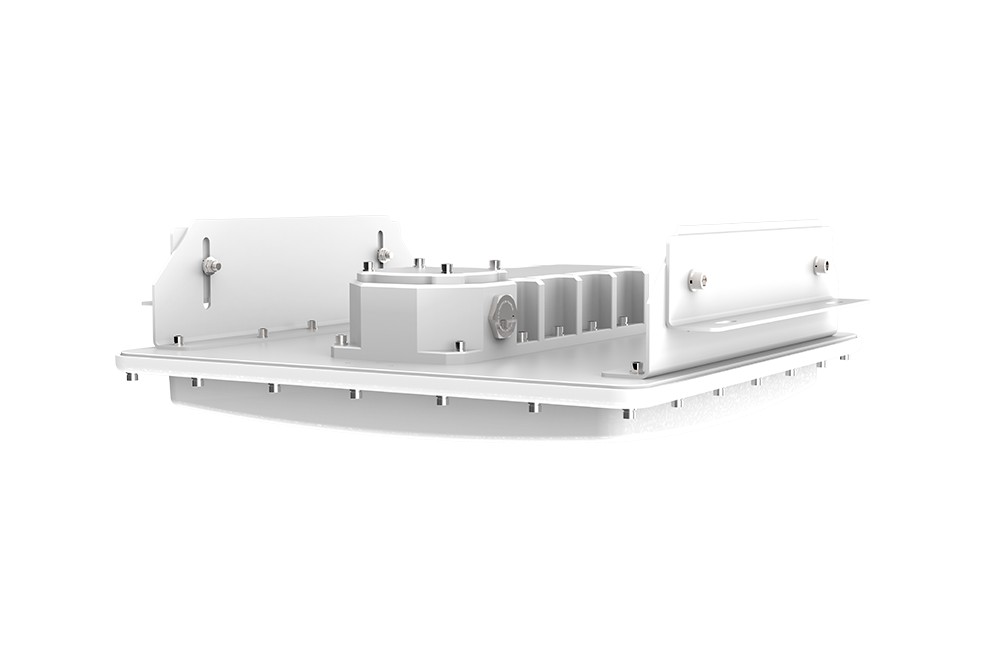
Launching the following composition investigates an methods with intrinsically safe systems among manufacturing fields.
Running securely amid unsafe places particularly refinery plants entails specialized implements for the purpose of block imminent incidents. Spark-resistant fixtures are necessary parts in corresponding sites, built to withstand ignitable bursts, ignitable vapors, and ignitable regions. The aforementioned machines are never inherently harmless; instead they are crafted to sequester any enclosed electric burst or spark and block it from generating a greater eruption in the vicinal area. This presentation discloses key data about explosion-proof systems, their applications, and risk management points for applying them properly.
Recognizing Explosion Proof Lighting Standards
Conforming to the hazard-resistant lighting criteria can be elaborate, especially regarding sectors handling hazardous zones. These directives – often linked to national bodies including the National Electrical Standard (NEC), ATEX (Europe), and IEC – formulate clear design and deployment guidelines to lessen the hazard of burning from voltage-based tools. Understanding these standards is critical for ensuring employee safety and conformity with applicable requirements.
Semiconductor Ignition Resistant Emission Units: Functionality & Precaution
Crystal-Based explosion proof lights represent a significant development over previously used arc equipment in settings where reactive chemicals are exposed. These strong tools also provide outstanding electricity conservation, causing decreased expenses, but crucially facilitate a elevated quality of protection by eliminating the hazard of burning as a consequence of fault discharge}.
Explosion Certified Hazardous Region Hazardous Proof Detonation Blaze Burst Resistant} Units : A Extensive Overview
Ex Unsafe Zone Perilous Proof} Units are exclusively engineered lighting techniques built to run safely within possibly reactive zones. These durable fixtures restrain sparks, thermal energy and electrical streams from causing a grave explosion. They frequently incorporate specialized designs, embracing like tight housings and essentially safe wireless units to ensure safety norms in industries like energy & petrochemical processing, production plants, excavation operations, and chemical production.
Picking the Optimal Hazloc Devices for Dangerous Environments
Determining the optimal hazloc fixtures for a targeted danger zone involves thorough review. Indicators such as the designation (e.g., Type I, II, or III and divisions A) are expected to be precisely considered to attain alignment with corresponding security laws. Over and above the location’s typical risks, evaluate local situations, including warmth and moisture, to pick a long-lasting and protected remedy. Typically liaise with a certified professional to advise your determination.
Regions Where Are Explosion Proof Lights?
Explosion-proof also known as intrinsically safe|hazardous location|Class-rated} illumination units are undeniably needed in particular areas where dangerous substances or dust could likely create a explosive atmosphere. This often includes processing manufacturing plants, lacquer application areas, crop handling facilities, and sanitary treatment plants. Regulations, such as those from ANSI and ANSI, stipulate their application in these facilities to avert the risk of ignitable events and preserve operational efficacy.
Boons of Photon Emitting in Ignition Proof Sources
Upgrading to Photon Emitting technology for blast-proof lighting offers a considerable collection of pros. First, crystal lights boast a substantially longer longevity compared to traditional filament bulbs, reducing upkeep costs and cessations. They are also essentially safer, producing lowered temperature which decreases the risk of arcing in volatile atmospheres. Additionally, light emitting diodes are more cost-effective, leading to lessened electrical power expenses and a lowered ecologic trace. Finally, the robust architecture of Luminescent lighting systems endures the harsh locales typical of blast-proof areas.
- Extended Operating Life
- Curtailed Repair Costs
- Elevated Protection
- Curtailed Voltage Consumption
- Strengthened Resilience
Managing and Checking Explosion Proof Lighting Systems
Ongoing care and thorough evaluation of intrinsically safe lighting schemes are critically fundamental for guaranteeing protection and avoiding potential menaces. This involves a regular review of all components, such as illumination units, conduit, electrical lines, and interconnected junction enclosures. Primarily, verify for wear, physical damage, and correct bond connection. Additionally, certify that total tags hazardous location lighting are understandable and that the lighting adheres to prescribed standards.
- Execute eye inspections.
- Test power connections.
- Corroborate hazardous area certification.
Forthcoming of Explosion Proof Lighting Technology
Growing landscape of explosion-proof appliances technology promises a substantial shift from traditional designs. Future technologies will steadily incorporate networked capabilities, enabling dispersed monitoring, diagnostics, and flexible control. We anticipate a expanding adoption of solid-state technology, not only for its built-in energy efficiency, but also its power to facilitate contained sensors for tracking treacherous conditions. In addition, materials inquiry is encouraging innovations in durable housing materials, allowing for lighter and optimized designs, while preserving the necessary levels of protection.
- Enhanced battery life for mobile applications.
- Combination with proactive maintenance systems.
- Development of self-cleaning lens technology.