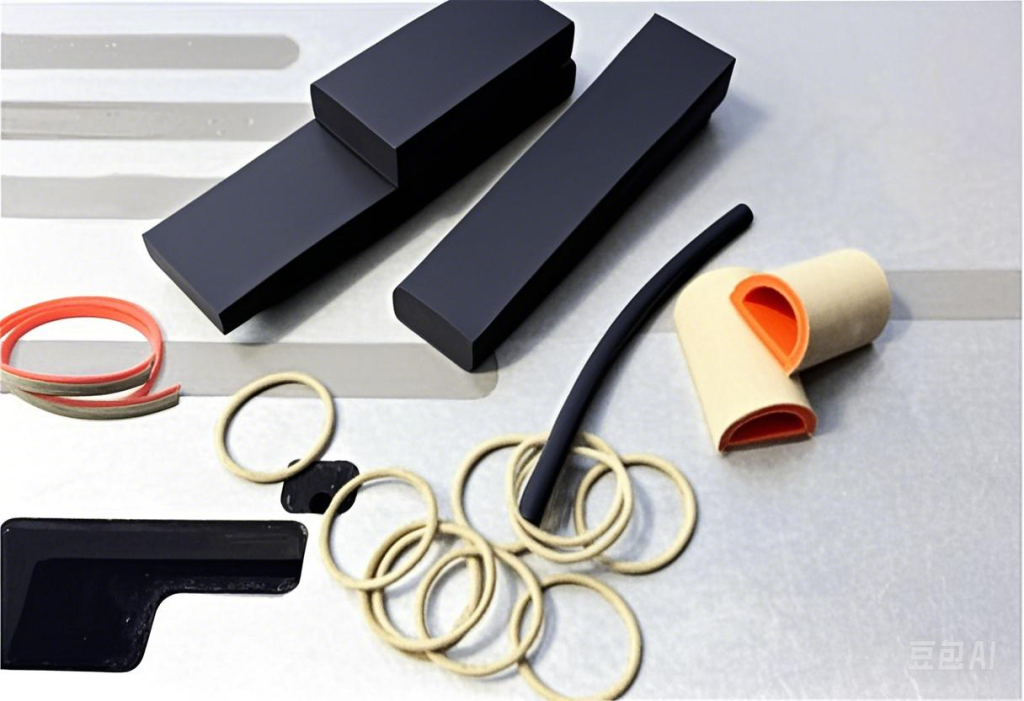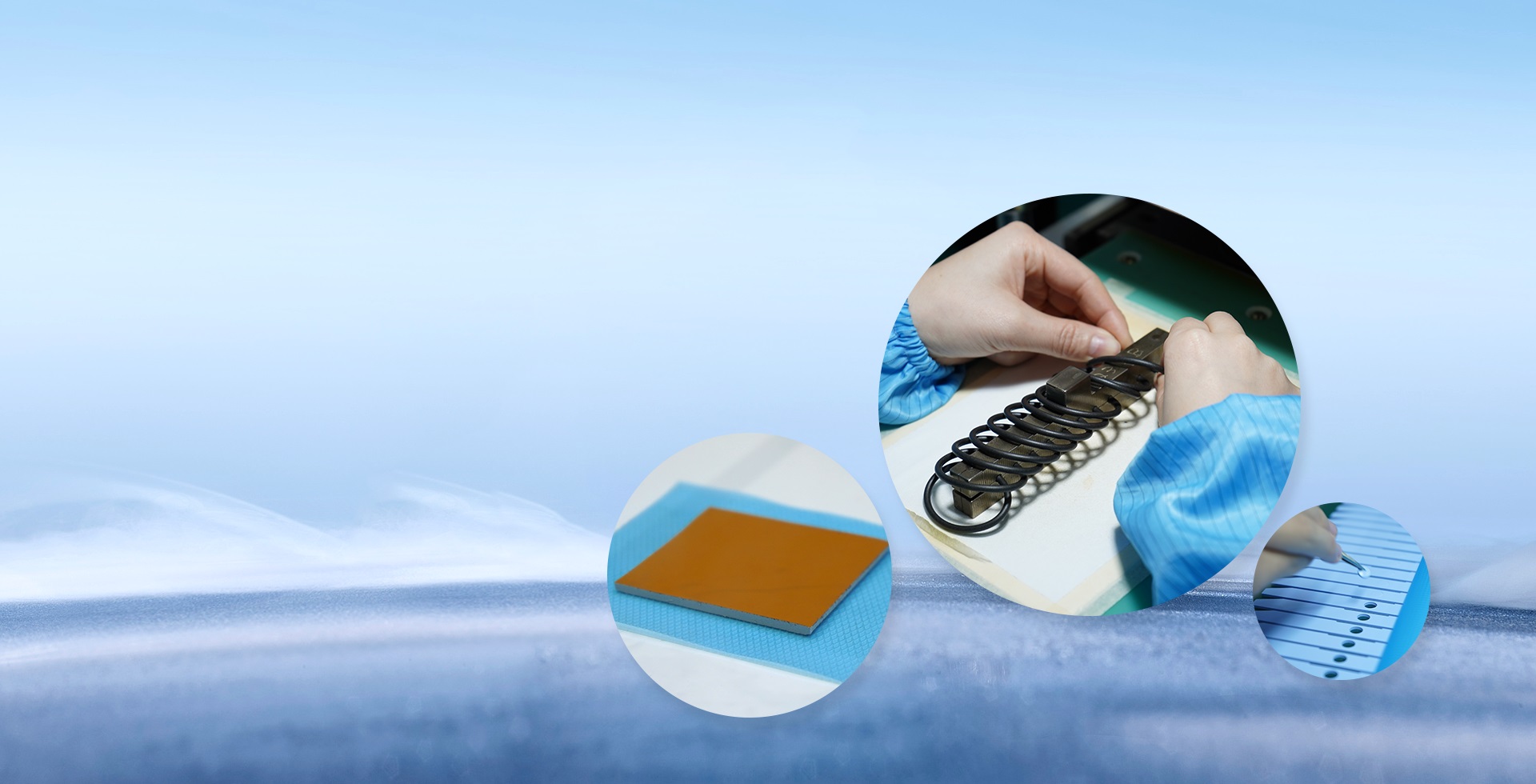
Beginning an article features insights addressing polydimethylsiloxane along with electrically conductive silver infused rubber membranes towards EMI attenuation.
Silicone elastomers are largely deployed toward flexible tasks thanks to their remarkable resilience and compound resilience. However, their characteristic shortfall of electrical transmission reduces their usefulness in defined technological applications.
The infusion of electroconductive nanometric-sized components, especially metallic silver mixed inside the PDMS, forms a synergistic effect producing an PDMS electron-carrying fabric that enables optimal electromagnetic interference reduction.
The outlined plans empower instruments to block invasive EMI static.
Sealing Electrical Elements: An Task of Silicone and Electroconductive Strips
Strong coating of electronic units is necessary in demanding situations. Siloxane Polymers, with their remarkable compliance and environmental stability, grants noteworthy liquid seal traits. However for uses mandating electrical functionality, electronically active closures, often assembled from electrically blends, serve as imperative to curb EMI noise and secure robust running. This merge of PDMS & shielding components constitutes a strong measure designed for fulfilling sound output in modern electronics.
EMI Shielding Gaskets: Maximizing Performance using Metallic Silver Rubber plus silicone polymer
{Strong radio frequency noise protection seals are critical for covering sensitive circuit instrumentation and frameworks from unwanted propagated transmitted noise. Contemporary designs often incorporate a composite of conductive Silicone Silicone sheet and Silicone elastomer matrix to realize optimal efficiency. Conductive SR provides outstanding electrical transmission, ensuring a robust grounding for dissipating harmful signals. Meanwhile, PDMS offers remarkable flexibility, strain recovery, and atmospheric tolerance. Meticulous material assessment and assembling techniques, such as a fine layer of SR within a PDMS matrix, optimize both shielding success and extended stability.
- Analyze distinct material mixtures based on situation criteria
- Ensure sufficient encapsulation strain for constant contact
- Examine closures routinely to validate efficiency
This synergistic model causes in EMI components that afford unparalleled protection and robustness.
Silicone elastomer Electron-conducting SR Pads: Protecting Electronics from Pollution
Pertaining to sensitive device components, RFI interference is capable of demonstrate adverse effects, bringing into glitches and records decay. Siloxane compound electron-transmitting silver-loaded elastomer closures provide special reliable strategy utilizing offering unique dependable barrier toward equivalent interferences. Similar barriers, commonly manufactured consisting of silicone compound combined by metallic powders, develop improved minimal resistance way into electric ground, dissipating EMC including radiation frequency interference flux. That bendable formation ensures an tight barrier especially along bumpy platforms, making these perfect within operations covering therapeutic systems, broadband architectures, including various industrial settings. Employing an Polydimethylsiloxane electron transmitting silver-filled elastomer component provides proven advanced strategy meant for ensure framework reliability alongside support running durability.
Maximizing Electrical Component Enclosure with Polymer Silicone-Based Electrical Noise Reduction
Reliable digital device sealing presents a important problem in contemporary development due to increasing EMC clutter. PDMS provides a superior system when fused with shielding materials to produce strong EMI suppression platforms. This approach not only boosts hardware output but also lessens the hazard of breakdown resulting from exogenous electromagnetic interference threats.
Electron Flow-Based SR Augmentation in PDMS Gaskets for High-Performance EMI Defense
Leading pads fabricated from polydimethylsiloxane (PDMS), incorporating charge carrying fillers, exhibit significantly improved attenuation capabilities against electromagnetic interference (EMI). The joining of elements like carbon nanotube nanotubes or nickel grains provides a pathway for electrical flow flow, thereby creating a more firm electromagnetic barrier. This electrically elevation in gasket functionality is critical for fragile electronic components requiring outstanding EMI reduction in various areas. This model offers a viable alternative to standard metallic gaskets, particularly in bendable environments.
Choosing the Right EMI Mitigation Gasket: PDMS vs. Conductive SR Selections
Picking adequate EMI blocking closures demands precise inspection of multiple parameters. Typically, metallic Silicone Rubber (Silicone elastomer) has been a typical variant; however, Polysilicone Siloxane polymer (Silicone polymer) manifests as a feasible option, principally where compaction heights are constrained or matrix cooperation is critical. PDM delivers advanced softness and permits handle smaller clearances, despite continuing distinguished shielding functionality.
Cutting-edge Shielding Techniques: Silicone elastomers, Electron flow enabling SR, and Electronic devices Safeguarding
Superior protection methods are growingly necessary for protecting fragile technological circuits. siloxane elastomer, with its excellent elasticity and substance tolerance, offers superb environmental barriers. As well, current-carrying silicone polymer opens possibilities ESD diffusion, mitigating static damage events. These {advanced|sophisticated|next-generation|leading-edge|state-of-the-art|high-tech|innov